


Of all the Garmin watches for swimming, the best choice really boils down to where you do most of your lengths. For dedicated pool swimmers, the specialised features of the Garmin Swim series are hard to beat. Triathletes, on the other hand, often lean towards the versatile Forerunner family. And if you're mixing your swimming with serious outdoor adventures, the rugged Fenix and Epix series are the undisputed champions.
3 Key Takeaways Best Garmin Watches for Swimming
-
The Specialist Still Reigns: For pure lap data and Critical Swim Speed, the Garmin Swim 2 remains unmatched in 2026.
-
Triathlon Needs a Hybrid: For multisport athletes, the Forerunner 965 or 265 offer the necessary transition tracking without sacrificing swim precision.
-
Open Water Demands GPS: You cannot trust an accelerometer in a lake; ensure your watch has reliable GPS to log distance and route.
Table of Contents
- 3 Key Takeaways Best Garmin Watches for Swimming
- Finding the Right Garmin Watch for Your Swim
- How I Picked These Garmin Watches for Swimming
- How Garmin Tracks Pool and Open Water Swims
- Making Sense of Your Garmin Swim Data
- Comparing the Best Garmin Swim Models of 2026
- Can You Swim with a Garmin Watch?
- Why Your Watch Strap Is a Crucial Piece of Gear
- Looking After Your Garmin Post-Swim
-
Frequently Asked Questions About Garmin Swim Watches
- Can You Swim with a Garmin Watch?
- Is Garmin Good at Tracking Swimming?
- Is Garmin Swim Still Worth Buying in 2026?
- Which Garmin Watch is Best for Open Water Swimming?
- Can I Press the Buttons on My Garmin Watch Underwater?
- How Accurate Is Wrist-Based Heart Rate While Swimming?
- Why Is My Garmin Not Counting Pool Laps Correctly?
Finding the Right Garmin Watch for Your Swim

Most buyers pick the wrong watch because they start with the wrong question. They ask "Which is the best Garmin?" instead of "Which environment do I train in?" Your ideal device depends entirely on whether you spend your time staring at the black line in a 25-meter pool or navigating the chop of a local reservoir.
Selection by Environment
To help you narrow your options quickly, here is a breakdown based on your primary swimming context:
- Pool-Only Swimmers (The Lap Counter): If your training is strictly lane-based, you need maximum accuracy on lap counts, stroke styles, and SWOLF scores without the battery drain of GPS. The Garmin Swim 2 is the only model that prioritizes these metrics exclusively. It is lighter and more intuitive for repetitive lap work than any multisport watch.
- Triathletes and Marathon Swimmers: You need a watch that handles the transition from water to bike seamlessly. The Forerunner 265 or 965 are ideal because they feature dedicated "Open Water Swim" modes that pair with GPS while still providing advanced pool data like Critical Swim Speed (CSS).
- Casual Fitness Swimmers: If you dip in three times a week for general health, the Venu 3 offers a bright AMOLED display and solid basic tracking without the complexity or ruggedness of the Fenix series.
- Open-Water Explorers: If you regularly swim in lakes or seas, the Fenix 7 Pro or Epix provide superior topographic mapping and rugged durability against rocks and debris, though they lack the specialized swim-only focus of the Swim 2.
The Buyer’s Checklist
Before selecting a model, verify these five criteria to ensure the watch fits your actual needs:
- Swim Mode Availability: Does it support both pool (auto-pause at turns) and open-water GPS modes? Lower-end models often lack true open-water tracking.
- Metric Depth: Do you need CSS and SWOLF analysis? If so, the Swim 2 or Forerunner series are required; standard lifestyle watches may omit these.
- Battery Life in GPS Swim: Open-water swims can last hours. Check if the watch maintains 10+ hours of GPS swim tracking.
- Display Readability: In bright open water, an LCD screen (like the Swim 2) often outperforms an AMOLED (like the Venu) due to glare reduction.
- Wrist Comfort: Swimming requires a snug fit for sensor accuracy. Ensure the strap options allow for a secure, non-slip fit even when wet.
How I Picked These Garmin Watches for Swimming
This comparison is based on a decision framework that prioritizes swim-specific performance over general smartwatch features. We evaluated devices not just on their marketing, but on how they handle the specific physics of water training.
Our evaluation criteria included:
- Pool Tracking Accuracy: How reliably the accelerometer detects turns and identifies stroke types (freestyle, breaststroke, etc.).
- Open-Water GPS Lock: Speed of satellite acquisition and track reliability during a swim.
- Metric Relevance: Presence of advanced metrics like Critical Swim Speed (CSS), SWOLF, and drill logging.
- Physical Resilience: Water resistance ratings and material durability against chlorine and salt.
- Usability in Water: Button responsiveness and touchscreen functionality when wet.
Garmin’s swimming-focused watches have evolved from simple lap counters into multisport tools that can record pool and open-water sessions with metrics such as distance, pace, stroke count, stroke type, SWOLF, and, on some models, Critical Swim Speed. The Garmin Swim 2 is the clearest example of that specialization: it is described as the model "best for swimming," and reviewers note that it is lightweight, records swimming-focused metrics, and supports both pool and open-water use. In practical terms, that matters because competitive swimmers usually care less about flashy lifestyle features View full gear review.
How Garmin Tracks Pool and Open Water Swims

Understanding the technology behind your data helps you interpret your workouts correctly. Garmin uses two distinct sensing methods depending on your environment.
The Brains Behind Pool Tracking
In a pool, distance is calculated via the accelerometer, not GPS. You must manually input the pool length (e.g., 25m or 50m) before starting the workout. As you swim, the sensor detects the unique acceleration patterns of each stroke type—freestyle, backstroke, breaststroke, and butterfly.
The system identifies turns by detecting the deceleration and push-off force against the wall. It then calculates your distance based on the number of lengths completed. This method is highly accurate for laps but relies entirely on the accelerometer capturing clear motion. If you glide excessively or have an irregular stroke, the turn detection may fail, leading to skipped laps.
Navigating the Great Outdoors with GPS
Open-water swimming requires GPS because there are no walls to push off from. The watch logs your location via satellite to create a track of your swim path. Distance is calculated by measuring the total length of this track.
Note on Accuracy: GPS tracks in open water can sometimes overestimate distance by 5-10% due to signal drift near shorelines or tree cover. For the most accurate open-water data, start your workout in an open area away from large landmasses and allow the GPS to lock fully before entering the water.
Pool vs. Open Water: What Works Best
| Feature | Pool Swimming | Open Water Swimming | A Note on Accuracy |
|---|---|---|---|
| Primary Sensor | Accelerometer | GPS + Accelerometer | Accelerometer is generally more precise for short distances; GPS drifts over time. |
| Distance | Pre-set length × Laps | GPS Route Tracing | Pool tracking is typically more accurate than open-water GPS. |
| Stroke Detection | High Accuracy | Variable | Open water strokes are harder to detect due to lack of wall cues. |
| Rest Detection | Automatic (Wall Push) | Manual or GPS Pause | Always ensure you pause the watch when resting in open water. |
| Heat Maps | N/A | Available | Garmin provides heat maps to visualize your route density. |
| Key Metrics | SWOLF, CSS, Stroke Count | Pace per 100m, HR, Distance | CSS is a key indicator of aerobic fitness and cannot be calculated in open water without specific drills. |
The feature set reflects the environment. Pool swimming is all about refining technique and efficiency in a controlled space, whereas open water tracking is focused on distance, navigation, and endurance in the great outdoors. From a buying perspective, the strongest statistical signal is that many Garmin watches are built around a 5 ATM water-resistance rating, which multiple review sources translate as roughly 50 meters or 164 feet of resistance under laboratory conditions. That rating is repeatedly described as enough for pool sessions, showers, and recreational swimming, while 10 ATM models are recommended for more demanding water use. Reviewers also note that Garmin Swim 2 battery life is often listed at about 7 days, making it practical for frequent swimmers who do not want to charge after every session. See detailed tech specs.
Making Sense of Your Garmin Swim Data
After a swim, your Garmin watch throws a lot of numbers at you. But what do they all mean? Getting to grips with these key metrics is the first real step in turning that raw data into genuine performance gains. It's how you become a faster, more efficient swimmer.
One of the most powerful numbers you'll see is your SWOLF score. Think of it as a golf score for your swimming—the lower the number, the better your efficiency. It’s a simple but brilliant calculation: the time it takes you to swim one length, plus the number of strokes you took. A lower SWOLF score is the goal, as it means you're covering the distance faster and with less effort.
From Numbers to Actionable Insights
Beyond SWOLF, a few other key metrics help paint the full picture of your swim. Each one tells a different part of the story, helping you pinpoint exactly where you can improve.
- Pace per 100m: This is your speed, plain and simple. It’s the go-to metric most swimmers use for tracking progress during endurance sets or time trials.
- Stroke Rate (Strokes per Minute): This measures how quickly your arms are turning over. A higher rate isn't always better; the secret is finding your personal sweet spot between a high tempo and good distance per stroke.
- Critical Swim Speed (CSS): Your watch can figure this out for you. CSS is the theoretical pace you could hold continuously without hitting a wall. It’s an excellent benchmark for tracking your aerobic fitness over time.
Once your Garmin has crunched the numbers, the work starts. For instance, understanding metrics like your pace and heart rate zones can be important when you're looking for ways to improve swimming endurance.
Using Data to Guide Your Training
This data isn't just for looking at after you've dried off, it's a powerful tool to use in the moment. Setting up pace alerts, for example, can help you nail your targets during a tough set, making sure you don't burn out too early or slack off towards the end.
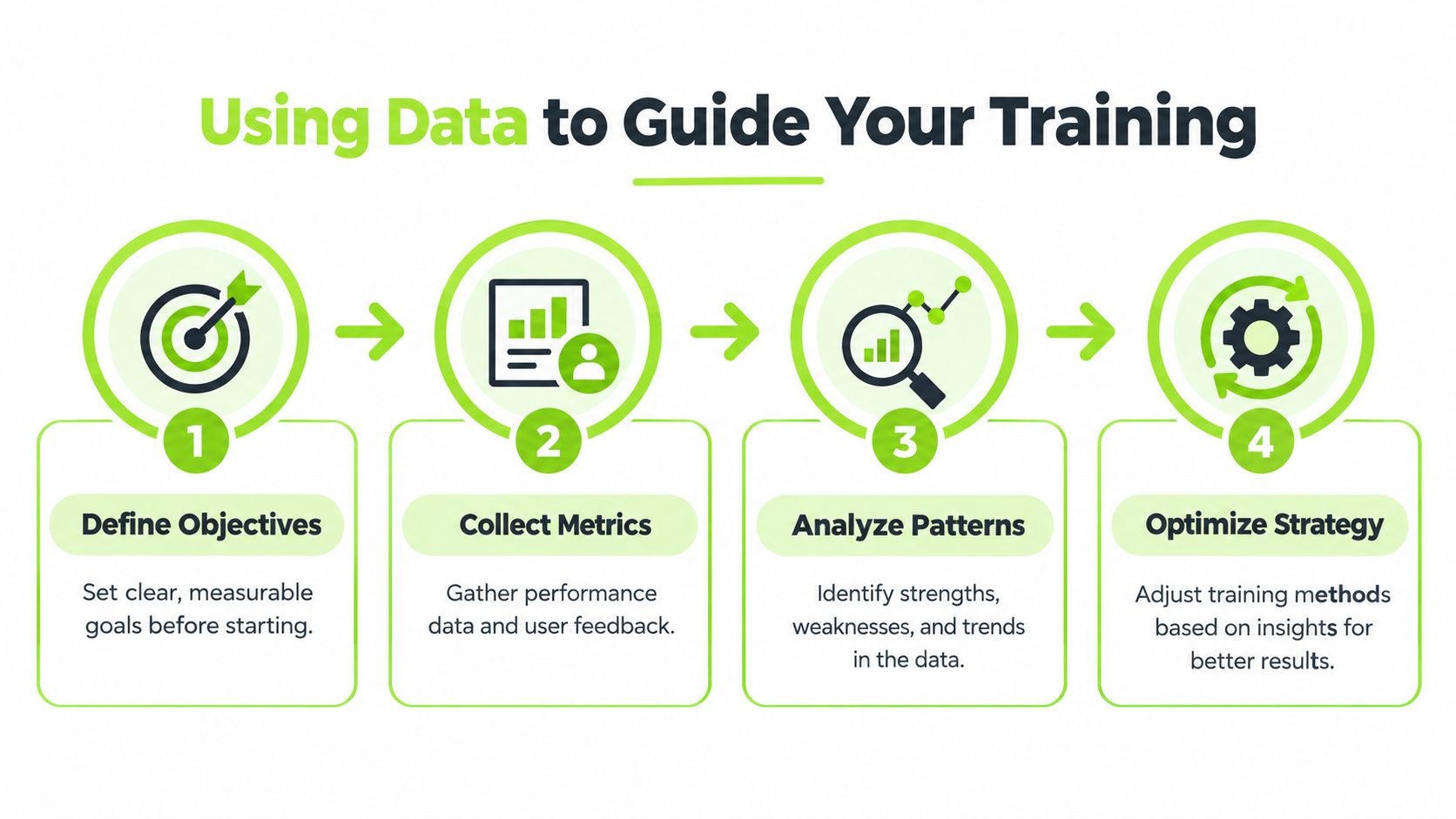
Watching your SWOLF score from one session to the next is a fantastic way to see if your training is working. If you've been grinding away at a specific technique drill, seeing that SWOLF score consistently drop is concrete proof your hard work is paying off in the water.
This flowchart gives you a simple way to decide what to focus on based on your main goal in the pool.
As the chart shows, if you're aiming for better technique, SWOLF is your guide. But if you're all about raw speed, your pace per 100m becomes the number to watch. Your Garmin gives you the data; it’s up to you to turn it into faster, more effective swimming.
Comparing the Best Garmin Swim Models of 2026
Finding the right Garmin watch for your swimming is all about matching its strengths to your own routine in the water. With so many models on offer, it can feel a bit like you’re treading water. Let's cut through the noise and look at which watches are best suited for different kinds of swimmers, from the dedicated lane-counter to the all-in-one triathlete.
To help you compare the options, here is a quick overview of the main contenders.
Garmin Watch Models for Swimmers at a Glance (2026)
| Model Family | Ideal User | Key Swim Features | Strap Size | Best For |
|---|---|---|---|---|
| Swim 2 | The dedicated pool or open-water swimmer. | Critical Swim Speed, auto rest, drill logging. | 20mm | Pure swimmers who want the lightest, most accurate device. |
| Forerunner | The triathlete or multi-sport athlete. | Multisport mode, transition tracking, open-water GPS. | 22mm (varies) | Athletes transitioning between swim, bike, and run. |
| Fenix / Epix | The adventure athlete and outdoor enthusiast. | Advanced mapping, extreme durability, superior battery. | 22mm / 26mm | Open water explorers and harsh-environment trainers. |
| Venu | The fitness enthusiast and casual swimmer. | Pool swim basics (distance, pace), all-day health. | 20mm / 22mm | Casual swimmers who prioritize screen quality and daily wear. |
For the Dedicated Swimmer: The Garmin Swim 2
If swimming is your one true love and other sports are just a distraction, then the Garmin Swim 2 is built for you. Think of it as a specialist tool. It strips away all the clutter to deliver exactly what a swimmer needs, and it does it brilliantly in both the pool and open water.
What makes it stand out?
- Critical Swim Speed (CSS): This is a fantastic metric that estimates your anaerobic threshold. In simple terms, it helps you find the perfect training pace to build endurance without burning out.
- Auto Rest: I love this feature. The watch just knows when you've hit the wall for a rest and automatically pauses the timer, so you don't have to fiddle with buttons with wet hands.
- Advanced Drill Logging: It lets you manually log those awkward sets—like kick-only or single-arm drills—that a standard accelerometer would miss, giving you credit for all your hard work.
For anyone who lives and breathes swimming, the Swim 2 is the sharpest, most focused tool you can put on your wrist.
For the Triathlete: The Forerunner Series
Triathletes have a unique problem: they need a watch that can keep up as they jump from the water to the bike and onto the run. This is exactly what the Garmin Forerunner family was designed for. Models like the Forerunner 265 and the top-tier Forerunner 965 are true multi-sport champions.
With a single press of a button, you can log your open-water swim, hit lap to start the T1 transition, log the bike, hit lap again for T2, and finish with your run. The watch handles it all seamlessly. You get all the key swim metrics alongside the advanced running and cycling data you'd expect.
For a triathlete, a Forerunner is more than a watch; it's a training partner. It understands the rhythm of balancing three different disciplines and gives you the recovery insights and adaptive coaching needed to get you to the finish line, whether you're tackling a local sprint or a full-distance Ironman.
For the Adventurer: The Fenix and Epix Series
What if your swimming spots are less about lane lines and more about remote lakes or rugged coastlines? If your swims are part of bigger adventures that include hiking, climbing, or trail running, then you need a watch that's as tough as you are. Say hello to the Fenix and Epix series.
These are Garmin's premium, go-anywhere, do-anything watches. They have all the comprehensive swim tracking of a Forerunner, but it's all wrapped in a near-indestructible body built from materials like titanium and sapphire crystal. They also offer much longer battery life and advanced topographical maps, essential for navigating your way back after a long, exploratory swim in the wild.
For the Fitness Enthusiast: The Venu Series
Not everyone is training for a competition. For many of us, swimming is a fantastic way to stay fit, and we want a watch that looks good and handles the basics without overcomplicating things. That's the sweet spot for the Garmin Venu series.
With a stunning AMOLED display, a Venu is a beautiful smartwatch first and a capable fitness tracker second. In the pool, it will reliably track your distance, pace, and stroke count. While you won't get the advanced open-water GPS or performance metrics like CSS, it provides more than enough information for the recreational swimmer who also wants great all-day health tracking and notifications on their wrist.
Can You Swim with a Garmin Watch?
Yes, you can swim with many Garmin watches, but not every model is suitable for the water. "Swim-proof" is a marketing term that often masks significant differences in durability and feature sets.
Water Resistance Ratings Explained
Garmin classifies its watches into specific water resistance categories:
- 5 ATM (50 meters): Suitable for swimming in pools and open water. This includes the Swim 2, Forerunner 265/55/965, and Venu 3. These watches can handle the pressure of lap swimming but are not rated for high-velocity water activities like diving or waterskiing.
- 10 ATM (100 meters): Designed for snorkeling, kayaking, and serious open-water exposure. The Fenix 7 Pro Solar and Marq Captain fall into this category, offering greater durability against saltwater corrosion and pressure changes.
- Non-Swim Rated: Fashion-oriented models or older lifestyle watches may lack explicit swim modes or sufficient water resistance.
Important Caveats for Swimmers
Even if a watch is rated for swimming, there are limits:
- Do Not Press Buttons Underwater: Water pressure can force water past the seals if you press buttons while submerged. Always start and stop your workout on dry land.
- Chlorine and Saltwater Damage: While the watches are water-resistant, the charging ports and straps are vulnerable. Always rinse your watch with fresh water after swimming in chlorinated pools or saltwater to prevent corrosion and skin irritation.
- Hot Showers and Saunas: The heat from a hot shower can degrade the water resistance seals over time. Garmin explicitly warns against exposing these devices to high temperatures and soaps, which can damage the adhesives holding the watch together.
Why Your Watch Strap Is a Crucial Piece of Gear

When you're geeking out over the tech packed into a Garmin, it’s easy to overlook the simple strap holding it to your wrist. But trust me, that one component can be the difference between a great swim and a frustrating one. The standard strap that comes in the box is designed to be a jack-of-all-trades, but it's rarely a master of the water.
Think about what it's up against: chlorinated pools and salty seawater. These harsh environments make a basic silicone strap feel sticky, trap moisture against your skin, and eventually cause some nasty chafing during a long session. Over time, that same chlorine can make the material brittle, discoloured, and prone to cracking—putting your expensive watch at risk.
Upgrading your strap isn’t just about looks; it’s a genuine performance decision.
Choosing the Right Material for the Water
For Garmin watches for swimming, the strap material is everything. You want something that actively repels water, dries out fast, and feels comfortable, letting you forget it's even there so you can focus on your stroke and splits.
Here’s a breakdown of the best choices for swimmers:
- Soft-Touch Silicone: Not all silicone is made equal. A premium, soft-touch silicone strap is engineered to be hydrophobic, which is just a fancy way of saying it sheds water instantly. Its smooth finish also cuts down on friction, preventing the skin irritation that’s so common with standard straps.
- Breathable Nylon: If you prefer something that feels lighter and dries in a flash, a woven nylon strap is a brilliant option. The breathable weave allows air to get to your skin, so it never feels waterlogged and is comfortably dry minutes after you're out of the pool.
Think of it this way: you wouldn't wear cotton running shoes in the rain, so why use a generic, all-purpose strap for swimming? A purpose-built strap is a small upgrade that delivers a huge improvement in comfort and hygiene.
Understanding Garmin's Quick-Change Systems
One of the best things about Garmin is how simple they make swapping straps. They use two main systems: Quick Release and QuickFit. Figuring out which one your watch uses is the key to getting a perfect, secure fit.
The Quick Release system is what you'll find on most Forerunner and Venu models. It has a tiny pin on the back of the strap that you just slide with a fingernail to pop the old one off and click a new one in. These come in standard sizes like 20mm and 22mm.
Then there’s the QuickFit system, which is used on the higher-end Fenix and Epix ranges. It's even easier, featuring a beefy latch that clicks right onto the watch lug. Just press the latch to release the strap and snap a new one on in a couple of seconds. These come in larger sizes, typically 22mm and 26mm, to match the rugged build of the watches.
You can dive deeper into finding the perfect match in our complete list of Garmin watch straps.
Choosing the correct size and system gives you total peace of mind that your watch is staying put, whether you're pushing off the wall for another lap or diving into choppy open water.
Looking After Your Garmin Post-Swim
Think about it, you wouldn't leave your best swimming costume or wetsuit caked in salt or chlorine, and your watch deserves the same treatment. These chemicals are the nemesis of high-tech electronics, and without a little care, they can cause corrosion, degrade your strap, and lead to frustrating charging problems down the road.
Making a quick rinse part of your post-swim ritual is the single best thing you can do to keep your watch in top shape. This small step takes less than a minute and pays off for years, preventing residue from pool chemicals and salt from settling in and causing damage.
Your Quick Post-Swim Care Routine
This simple habit makes a massive difference. It's all about rinsing away the nasties, drying thoroughly, and giving a little extra attention to the most delicate parts of your watch.
- Rinse It Straight Away: The second you’re done, get your watch and strap under a tap of fresh, clean water. Lukewarm is best, with gentle pressure, no need to blast it.
- Pat, Don't Rub: Use a soft, lint-free cloth to gently pat the whole watch and strap dry. Be especially gentle on the screen.
- Check the Charging Port: This is very important. Take the corner of your dry cloth or a cotton bud and carefully wipe the metal charging contacts on the back. This simple action stops that green or black gunk from building up, which is the number one reason a Garmin stops charging.
A classic mistake is just leaving the watch to air-dry. When the water evaporates, it leaves behind a crust of salt or chlorine crystals. These work their way into the watch seals and crevices, accelerating wear on both the casing and the strap material.
Proper care also means looking after your strap, which helps prevent skin irritation and keeps the material from degrading. If you’re using a silicone strap, you can find more great advice in our guide on how to clean silicone watch straps to keep them looking and feeling fresh. By taking these few small steps, you can trust your gear will always be ready for the next session. If you are looking for resources on endurance training to complement your post-swim recovery, see how to improve swimming endurance.
Frequently Asked Questions About Garmin Swim Watches
For more details, see our FAQ.
Let's dive into some of the questions I hear all the time from swimmers using a Garmin. Getting these practical queries sorted will help you feel confident with your watch right from your very first swim.
Can You Swim with a Garmin Watch?
Yes, but you must choose a model with a water resistance rating of at least 5 ATM (50 meters). Watches like the Garmin Swim 2, Forerunner 265, and Fenix 7 are designed for this. However, never press the buttons while the watch is underwater, as this can compromise the seals. Always rinse your watch with fresh water after swimming in chlorinated pools or saltwater to prevent long-term damage to the strap and charging contacts.
Is Garmin Good at Tracking Swimming?
Garmin is highly regarded for swim tracking, particularly in the pool where its accelerometer technology is considered industry-leading. It excels at detecting turns, counting laps, and identifying stroke types with high accuracy. In open water, GPS tracking is generally reliable, though minor drift can occur near shorelines. For the most accurate heart rate data while swimming, pairing a Garmin watch with a chest strap like the HRM-Swim is recommended, as wrist-based optical sensors can struggle with the constant arm motion and water interference.
Is Garmin Swim Still Worth Buying in 2026?
Yes. The Garmin Swim 2 remains a top recommendation for dedicated swimmers because it is purpose-built for the water. It is lighter than the Forerunner series, has a sun-readable display that outperforms AMOLED screens in bright pool conditions, and offers specialized metrics like Critical Swim Speed (CSS) without the bloat of running or cycling features. For anyone whose primary focus is improving their swim performance, the Swim 2 is still the best value and most functional choice available.
Which Garmin Watch is Best for Open Water Swimming?
For serious open-water swimmers, the Garmin Forerunner 965 or the Fenix 7 Pro Solar are the best options. Both feature advanced GPS that creates detailed track maps and heatmaps of your swim route. They also offer superior battery life for long-distance training and are built to withstand the elements. The Forerunner series is ideal if you also bike and run, while the Fenix is better suited for rugged, multi-adventure environments.
Can I Press the Buttons on My Garmin Watch Underwater?
It’s tempting, I know, but the simple answer is no. Garmin makes it very clear that you shouldn't press the buttons while your watch is submerged in water.
Doing so can push water past the protective seals, causing moisture damage that your warranty likely won't cover. All the swimming features are designed so you can hit 'start' before you get in and 'stop' once you're out. For your rest intervals, just rely on the excellent auto-rest feature—it’s smart enough to know when you’ve paused at the wall.
How Accurate Is Wrist-Based Heart Rate While Swimming?
Garmin's wrist-based heart rate tech has come a long way, but getting a perfect reading in the water is still tricky. The constant flow of water under the sensor, chilly pool temperatures, and even the motion of your arm through the water can throw off the accuracy.
If you just want a general sense of your effort, the wrist sensor is usually good enough. But for truly accurate, reliable heart rate data, you can't beat pairing your watch with a chest strap like the HRM-Swim or HRM-Pro Plus.
Why Is My Garmin Not Counting Pool Laps Correctly?
Nine times out of ten, if your lap count is off, it’s down to your turns. To get that perfect count from your Garmin watch for swimming, you need to give its internal accelerometer a clear signal.
Focus on two things: first, always give a strong, powerful push-off from the wall. Second, hold a good glide for a moment before you take your first stroke. The watch is looking for that distinct pause and then acceleration to mark a new length. Suddenly changing stroke or stopping in the middle of the pool can also confuse it. And, of course, always double-check you’ve set the correct pool size before you start your workout!
Ready to find the perfect strap for your swim sessions? Explore the full collection of water-resistant and quick-drying straps at Nothing But Bands and find your ideal match today at nothingbutbands.com.
Related posts

- October 07, 2026
Discover why comfortable watch straps feel different. Learn the materials, closures, and fit rules that actually matter for Samsung Galaxy...

- October 06, 2026
Clear installation instructions for smartwatch straps. Learn how to attach, verify, and troubleshoot Apple, Samsung, Garmin, and Fitbit straps safely.

- October 05, 2026
A practical guide to changing watch straps across Apple, Garmin, Samsung, and Fitbit, covering tools, fitment, daily rotation, and common...


